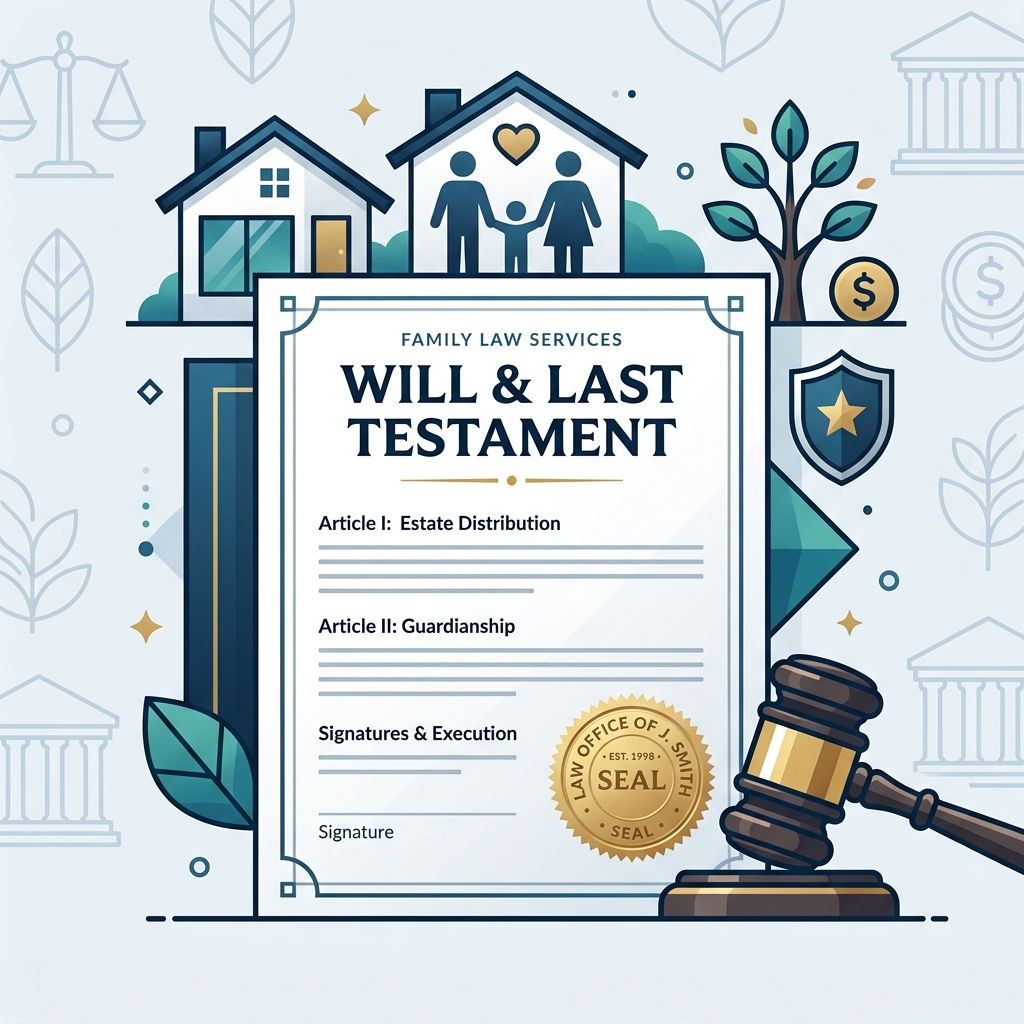
Making a will is one of the most important things you can do to protect your family's future, yet many people put it off. If you pass away without a will, the law decides who inherits your assets, which might not be what you intended.
Why You Need a Will
A will is a legal document that sets out your wishes regarding the distribution of your property and the care of any minor children. It provides clarity and prevents unnecessary stress or legal battles for your loved ones.
- Control over your assets: You decide who gets your home, money, and personal belongings.
- Appointing guardians: If you have young children, you can name the people you trust to look after them.
- Reducing inheritance tax: Careful planning can minimize the tax burden on your beneficiaries.
Understanding Probate
Probate is the legal process of dealing with someone's estate after they die. It involves clearing their debts and distributing their remaining assets according to their will (or the rules of intestacy if there is no will).
If you're named as an executor in a will, you'll likely need to apply for a "Grant of Probate." This document gives you the legal right to access the deceased's bank accounts and sell their property.
When to Update Your Will
Your will isn't a one-time document. You should review it every five years or after any major life event, such as getting married, having children, buying a house, or getting divorced. Remember that in most jurisdictions, marriage typically revokes an existing will unless it was made with that specific marriage in mind.