When parents separate, arrangements for children are often the most emotionally charged aspect of the process. Modern family law focuses on the child's welfare above all else — not on the rights of either parent.
Key Concepts
Parental Responsibility
Parental responsibility (PR) is the collection of rights, duties, powers, and responsibilities a parent has in relation to a child. Mothers automatically have PR. Fathers who are married to the mother at the time of birth, or who are named on the birth certificate (in most jurisdictions), also acquire PR automatically. PR cannot usually be removed by agreement — it requires a court order.
Child Arrangements Orders
Rather than "custody" and "access," modern law refers to Child Arrangements Orders, which specify:
- With whom the child lives (formerly "residence")
- When and how the child spends time with the other parent (formerly "contact")
The Welfare Checklist
When courts make any order about a child, they apply a welfare checklist that includes:
- The ascertainable wishes and feelings of the child (considered in light of age and understanding)
- Physical, emotional, and educational needs
- The likely effect of any change in circumstances
- Any harm the child has suffered or is at risk of suffering
- The capability of each parent to meet the child's needs
Reaching Agreements Without Court
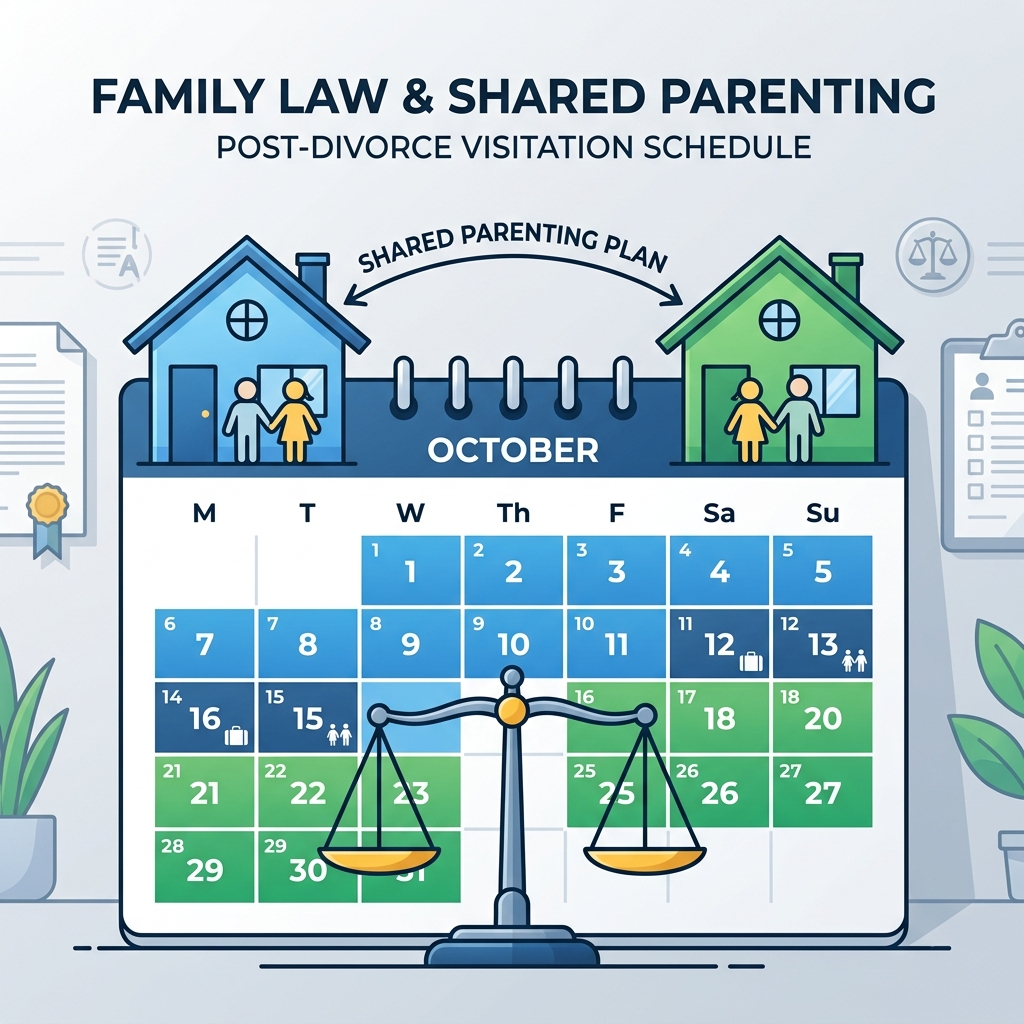
Courts strongly encourage parents to agree arrangements without judicial intervention. Mediation, collaborative law, and negotiation through solicitors are all alternatives to contested court proceedings. A Parenting Plan — a written document setting out agreed arrangements — can prevent future disputes.
When Courts Must Intervene
Applications to court become necessary when parents cannot agree, where there are safeguarding concerns (domestic abuse, substance misuse, neglect), or where one parent is obstructing contact without good reason.
This guide is general information, not legal advice. For advice on your situation, speak with a family law solicitor.