Why the legal side deserves your attention
Buying a home is usually the largest financial commitment a person ever makes, and yet the legal process behind it is a mystery to most first-time buyers. That is understandable — it only happens a handful of times in a life — but it is also where expensive mistakes hide. Understanding the shape of the journey, even without knowing every local detail, lets you ask the right questions and spot when something is being rushed.
The exact steps and terminology differ significantly around the world. But underneath the local variations, a property purchase almost always moves through the same stages: agreeing a price, checking that the property is really what it seems, arranging the money, transferring legal ownership, and registering that ownership so it is recognised and protected.
Stage one: the offer and agreement in principle
The process usually starts when a buyer and seller agree a price. In many systems this early agreement is not yet fully binding — either side can often still walk away until a later, formal stage — while in others the agreement to buy becomes binding much sooner. Knowing which kind of system you are in matters enormously, because it tells you when you are truly committed and when you still have room to change your mind.
This is also the stage to be honest with yourself about money. Working out what you can genuinely afford — including not just the price but taxes, fees and moving costs — before you fall in love with a property protects you from painful decisions later.
Stage two: checking the property (due diligence)
This is the heart of the legal process, and where a good adviser earns their fee. Before you are locked in, a series of checks aims to make sure you are buying what you think you are buying, free of nasty surprises. These typically include:
- Confirming ownership. Does the seller actually have the right to sell, and is the legal title clean?
- Checking for claims against the property. Are there debts, mortgages, or other rights attached to it that could pass to you?
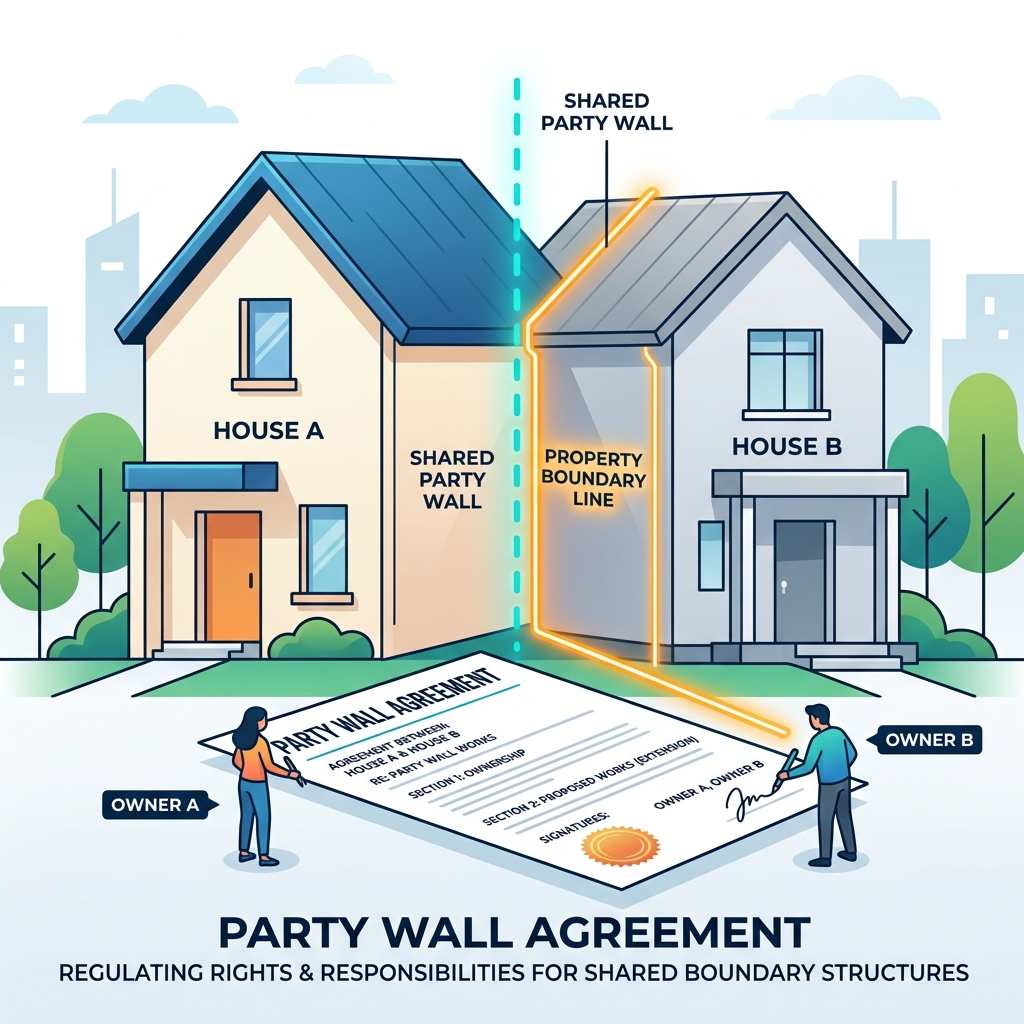
- Understanding boundaries and rights. What exactly is included, and are there rights of way or shared access?
- Checking rules and restrictions. Are there planning, zoning or building rules, or obligations, that affect what you can do with the property?
- A physical survey or inspection. Is the building itself sound, or are there structural or safety problems?
Key point: The purpose of due diligence is to find problems before you are committed, while you can still renegotiate or walk away. Never let anyone pressure you into skipping these checks to "save time".
Stage three: arranging the money
Unless you are buying outright, you will need financing, usually a mortgage or home loan. A lender will assess whether it will lend to you and will often insist on its own valuation of the property to make sure it is worth what you are paying. It is wise to have your financing lined up as far as possible before you are legally committed, so that a funding problem does not leave you unable to complete a deal you are already bound to.
Remember that the purchase price is not the only cost. Depending on where you live, you may face transfer taxes or stamp duties, legal and registration fees, survey costs, and mortgage-related charges. Building a full picture of these early prevents an unpleasant shock near the finish line.
Stage four: completing the purchase
At completion, the deal becomes final: the money is transferred, the legal ownership passes from seller to buyer, and you usually get the keys. In most systems there is a formal document that transfers ownership, and the process is handled through legal professionals or a neutral party who make sure money and title change hands at the same moment, so that neither side is left exposed.
Stage five: registration
Buying is not truly finished until your ownership is properly recorded in the official system that your country uses to register property. This step matters more than it sounds: registration is what makes your ownership publicly recognised and protected against later claims. Make sure it actually happens and that any taxes tied to it are paid, rather than assuming it is automatic.
Protecting yourself throughout
- Use a qualified professional. Property law is technical and local; this is not the place to save money by going it alone.
- Read everything and ask questions. If you do not understand a document, that is a reason to ask, not to sign quietly.
- Beware of pressure and unusual requests. Property transactions attract fraud; be especially careful with last-minute changes to where money should be sent, and always verify them through a trusted channel.
- Budget for the extras. Taxes and fees can add a substantial amount to the headline price.
- Do not skip the survey to save money — a hidden structural problem costs far more than an inspection.
The bottom line
A property purchase is a journey from a handshake on price to a name on an official register, with a series of careful checks in between designed to protect you. Take those checks seriously, keep your financing ready, and never let yourself be rushed past the safeguards. Because the process and the taxes differ so much from place to place, use this as a map of the terrain and rely on a qualified local professional to guide you through the specific rules where you are buying.