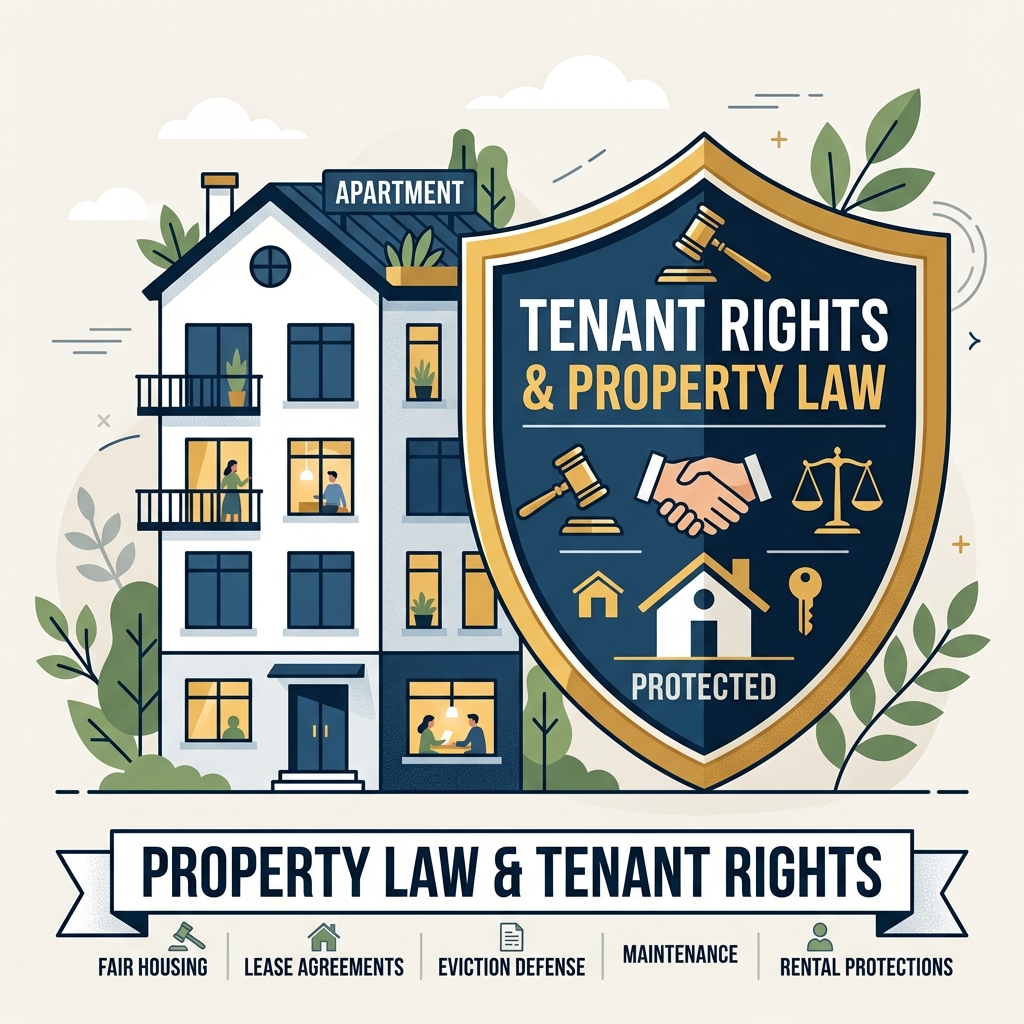
Renting is a legal relationship, not just a payment
When you rent a home, it is easy to think of it as a simple monthly transaction: you pay, you stay. In fact you are entering a legal relationship with rights and duties on both sides, and in most countries the law gives tenants meaningful protections precisely because a home is such a fundamental thing to lose. Knowing those protections turns you from someone hoping for fair treatment into someone who can calmly insist on it.
The details vary widely — between countries and often between regions — but a common set of themes appears almost everywhere: a right to a home that is safe and habitable, protection for your deposit, limits on how and when you can be asked to leave, and a right to a reasonable degree of privacy.
Get it in writing
Your tenancy agreement is the foundation of everything. Even where a spoken tenancy is legally valid, a written agreement protects you by recording the rent, the length of the tenancy, who is responsible for what, and the rules of the property. Before you sign:
- Read the whole agreement, including any rules about pets, guests, or subletting.
- Check who is responsible for repairs, bills and maintenance.
- Understand how long the tenancy lasts and how it can be ended by either side.
- Never sign for a property you have not seen, and be cautious about paying money before you have a signed agreement.
Key point: Take dated photographs of the property's condition when you move in, and keep them. A clear record at the start is your best defence against unfair deductions at the end.
Your deposit
Most tenants pay a deposit as security against damage or unpaid rent. A common source of dispute is getting it back. Many systems now regulate deposits closely — for example, by requiring them to be held in a protected scheme, limiting their size, or setting out exactly when and how deductions can be made.
The general principle is that a deposit is your money, held temporarily. A landlord can usually deduct for genuine damage beyond normal wear and tear, or for unpaid rent, but not for the ordinary ageing of a property that comes from simply living in it. Understanding the difference between "damage" and "fair wear and tear" prevents a lot of unfair deductions.
Repairs and a habitable home
In most places, a landlord has a duty to keep the property safe and fit to live in — covering things like structural soundness, working plumbing and heating, safe electrics, and freedom from serious hazards. Tenants, in turn, are usually expected to keep the place reasonably clean and to report problems promptly rather than letting them worsen.
If something needs fixing, the reliable approach is to report it in writing, keep a copy, and give the landlord a reasonable chance to act. A calm paper trail is far more powerful than an angry phone call, and it matters enormously if the dispute ever escalates. Withholding rent to force a repair can be risky and is not allowed everywhere — check your local rules before trying it, because it can put your tenancy at risk.
Privacy and access
Renting a home usually gives you a right to live in it without unreasonable intrusion. That normally means your landlord cannot simply turn up whenever they like. Most systems require reasonable notice before the landlord enters, except in a genuine emergency such as a burst pipe or a fire risk. If access is becoming a problem, pointing politely to the notice requirement is often enough to resolve it.
How a tenancy can end
This is where strong tenant protections often live. In many countries a landlord cannot simply order you out on a whim; there are rules about how much notice must be given, what reasons are valid, and what process must be followed. Crucially, in most places a landlord cannot lawfully evict you themselves — by changing the locks, removing your belongings, or cutting off services. Eviction usually has to go through a proper legal process, and forcing a tenant out any other way is often itself unlawful.
- Check how much notice you are entitled to, and in what form it must be given.
- Understand the difference between a landlord asking you to leave and a landlord being legally able to make you leave.
- If you receive any notice to leave, do not panic or move out instantly — get advice first, because the notice may not be valid.
If something goes wrong
When a dispute arises, escalate calmly and in order: raise it directly and in writing; keep records of everything; and if that fails, look for the local body that helps tenants — many places have dedicated tenancy tribunals, housing authorities, or free advice services. Going in with dates, photographs and copies of letters makes you far more effective than going in with frustration alone.
The bottom line
As a tenant you usually have more rights than you might expect: to a safe home, to the return of your deposit, to privacy, and to a fair process before you can be made to leave. The way to use those rights is quietly and methodically — read before you sign, document everything, and communicate in writing. Because tenancy law is highly local and changes often, treat this as a general guide and check the specific rules, or speak to a local housing adviser, for your own situation.