Your Tenancy Agreement
Most private tenants in most jurisdictions have an Assured Shorthold Tenancy (AST). You should receive a written tenancy agreement setting out the rent, deposit, term, and the obligations of both parties. If your landlord has not given you a written agreement, the tenancy is still valid - but it is much harder to enforce your rights.
Deposits: Protection and Limits
Your landlord must place your deposit in a government-approved Tenancy Deposit Protection (TDP) scheme within 30 days of receiving it. The three approved schemes are: Deposit Protection Service (DPS), mydeposits, and Tenancy Deposit Scheme (TDS).
If the landlord fails to protect your deposit, they cannot serve a valid Section 21 notice to evict you, and a court can order them to pay you up to three times the deposit amount as compensation.
Since June 2019, deposits are capped at five weeks' rent for properties where annual rent is under £50,000, and six weeks above that.
Your Right to a Safe and Habitable Property
Under the Homes (Fitness for Human Habitation) Act 2018, your landlord must ensure the property is fit to live in at the start and throughout the tenancy. Issues that can make a property unfit include serious damp or mould, defective heating or hot water, structural instability, pest infestation, and inadequate lighting or ventilation.
Repairs: Who Is Responsible?
Under the Landlord and relevant local statutes, your landlord is responsible for the structure and exterior, heating and hot water installations, gas appliances, electrical wiring, and sanitary fittings. You are generally responsible for minor maintenance, internal decorating, and damage you cause.
Landlord Access
Your landlord must give you at least 24 hours' written notice before entering the property and must do so at a reasonable time. Entering without notice (except in a genuine emergency) is a breach of your right to quiet enjoyment.
Rent Increases
During a fixed term, your landlord can only increase your rent if the tenancy agreement contains a rent review clause. Once periodic, they must serve a Section 13 notice giving at least one month's notice and no more than one increase per year. You can challenge increases at the First-tier Tribunal.
The Renters' Rights Bill 2024-25
The Renters' Rights Bill, expected to become law in 2025, will abolish Section 21 no-fault evictions, make all tenancies periodic, extend the Decent Homes Standard to the private sector, give tenants the right to request pets, and create a new Private Rented Sector Ombudsman.
If Your Landlord Tries to Evict You
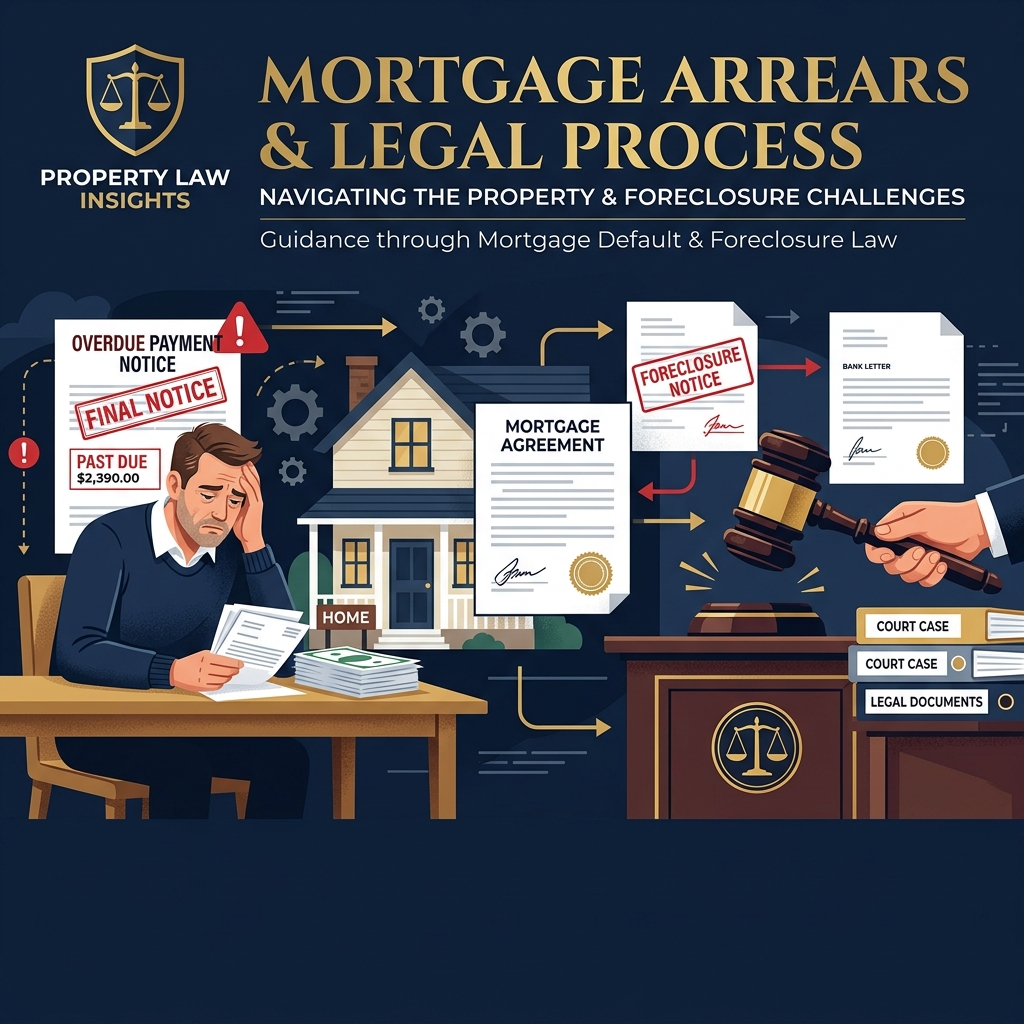
A notice alone does not legally end your tenancy. Your landlord must apply to court for a possession order, and you have the right to defend the claim. Never leave just because a notice has been served without seeking advice first.
Need help? Contact Shelter, local legal aid organizations, or your local council's housing department if you face eviction or have a housing dispute.