The Mortgage as a Legal Charge
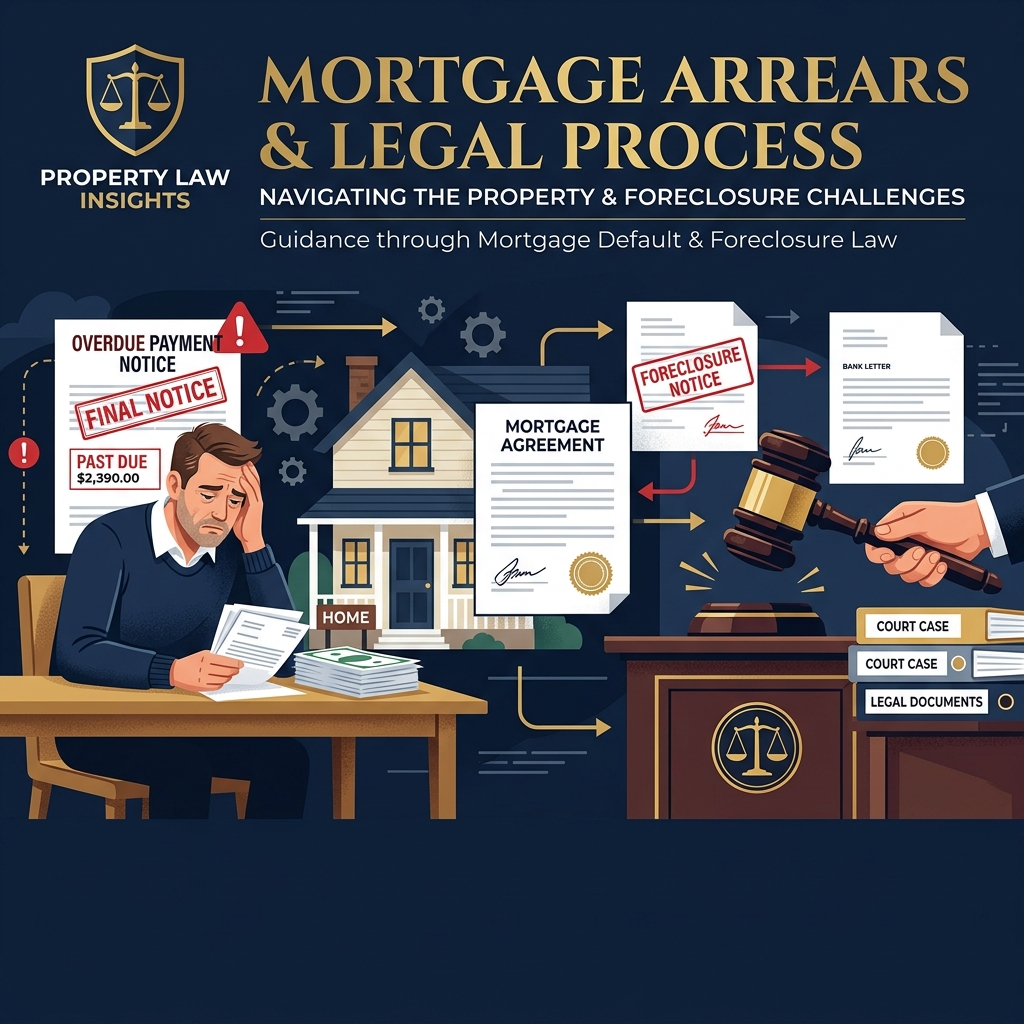
When you take out a mortgage, the lender takes a legal charge over your property. This gives the lender the right to sell the property if you fail to make repayments. However, exercising that power of sale requires following strict legal procedures.
What Happens When You Miss a Payment?
As soon as you miss a payment, your account falls into arrears. Your lender is required by the local financial regulatory bodies's Mortgage Conduct of Business (MCOB) rules to treat you fairly and explore alternatives before beginning possession proceedings.
local financial regulatory bodies MCOB Obligations on Lenders
Your lender must provide a written statement of your arrears within 15 working days, consider any requests for a change in payment arrangements (payment holidays, term extension, changing to interest-only), and not begin possession proceedings unless all other reasonable attempts to resolve the situation have failed.
The Repossession Court Process
Pre-Action Protocol
Before issuing a claim, the lender must follow the Pre-Action Protocol for Possession Claims, giving you reasonable time to negotiate and explore government support schemes.
County Court Claim and Hearing
If arrears continue, the lender issues a possession claim. You will receive a claim form and a hearing date - typically 8 weeks away. At the hearing, a district judge can adjourn or stay proceedings if you are likely to be able to pay off the arrears within a reasonable time. Courts often give borrowers suspended possession orders - suspended provided you maintain current payments plus a contribution toward the arrears.
Options to Avoid Repossession
- Negotiate with your lender - seek a payment holiday, term extension, or switch to interest-only
- Support for Mortgage Interest (SMI) - a government scheme providing a loan to help pay interest if you receive certain benefits
- Sell the property voluntarily - selling before repossession protects your credit rating and typically achieves a better price than a forced sale
- Let the property - with your lender's consent, renting out the property can cover the mortgage while you move somewhere cheaper
Your Rights After Repossession
Even after possession is granted, the lender must sell the property at the best price reasonably obtainable - not simply the quickest price. If the sale proceeds do not cover the outstanding mortgage, you remain liable for the shortfall. Lenders have 12 years to pursue a mortgage shortfall debt.
Negative Equity
If your property is worth less than the outstanding mortgage, you are in negative equity. This can trap you in your current deal as you cannot remortgage or sell without covering the shortfall. Some lenders offer negative equity porting to a cheaper property.
Seek help early. The sooner you contact your lender and a housing adviser, the more options you have. Free advice is available from local legal aid organizations, Shelter, and StepChange. Do not wait for a court summons before taking action.