Going through a divorce is emotionally taxing, but figuring out how to raise your children together while living apart can be even harder. A 50/50 custody arrangement—often referred to as shared parenting—is becoming increasingly common as courts recognize the importance of both parents being actively involved in a child's life.
What Does 50/50 Custody Actually Look Like?
Shared parenting doesn't necessarily mean a strict mathematical split of time. It means that both parents share significant responsibility for the child's upbringing, both in terms of the time they spend with the child and the major decisions they make regarding education, healthcare, and religion.
Common schedules for shared parenting include:
- Alternating Weeks: The child spends one week with Parent A and the next week with Parent B. This works best for older children who can handle longer periods away from one parent.
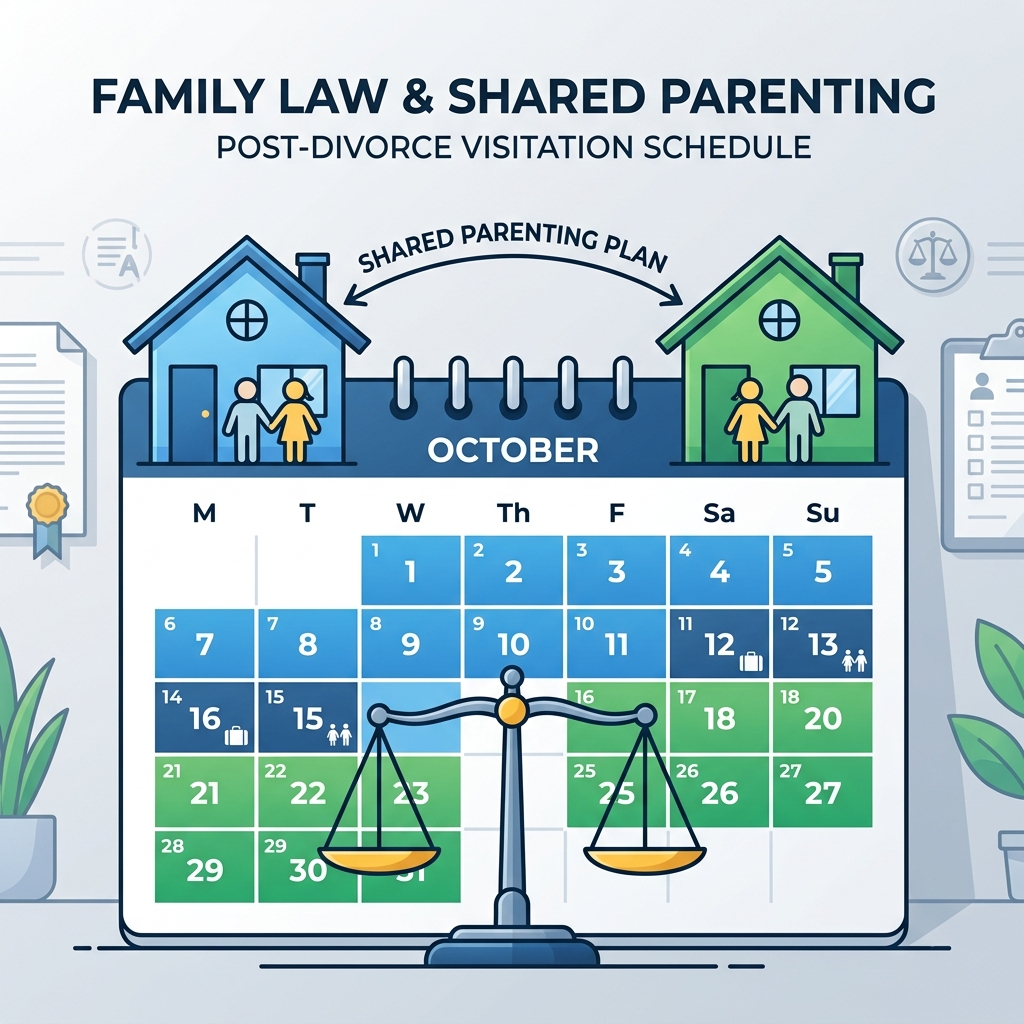
- 2-2-3 Schedule: The child spends two days with Parent A, two days with Parent B, and then a three-day weekend with Parent A. The following week, the schedule flips.
- 2-2-5-5 Schedule: The child spends two specific weekdays with Parent A, two specific weekdays with Parent B, and alternating five-day weekends. This provides consistency for school days.
Making Co-Parenting Work in Practice
For shared parenting to be successful, both parents must be committed to making it work. Here are some essential tips:
- Put the kids first: Never use your children as messengers or spies. Keep adult issues between adults.
- Communicate effectively: Use co-parenting apps or dedicated email addresses to keep communication clear, documented, and business-like.
- Be flexible: Life happens. If your ex needs to swap a weekend due to a work commitment, try to accommodate them if possible. Flexibility often breeds flexibility.
- Maintain consistent rules: While each household will naturally have some differences, try to keep major rules (like bedtime, homework routines, and screen time limits) consistent across both homes to provide stability for the child.
If you're struggling to agree on a parenting plan, mediation can be a highly effective way to reach a compromise without the stress and expense of going to court.