The Basic Rule
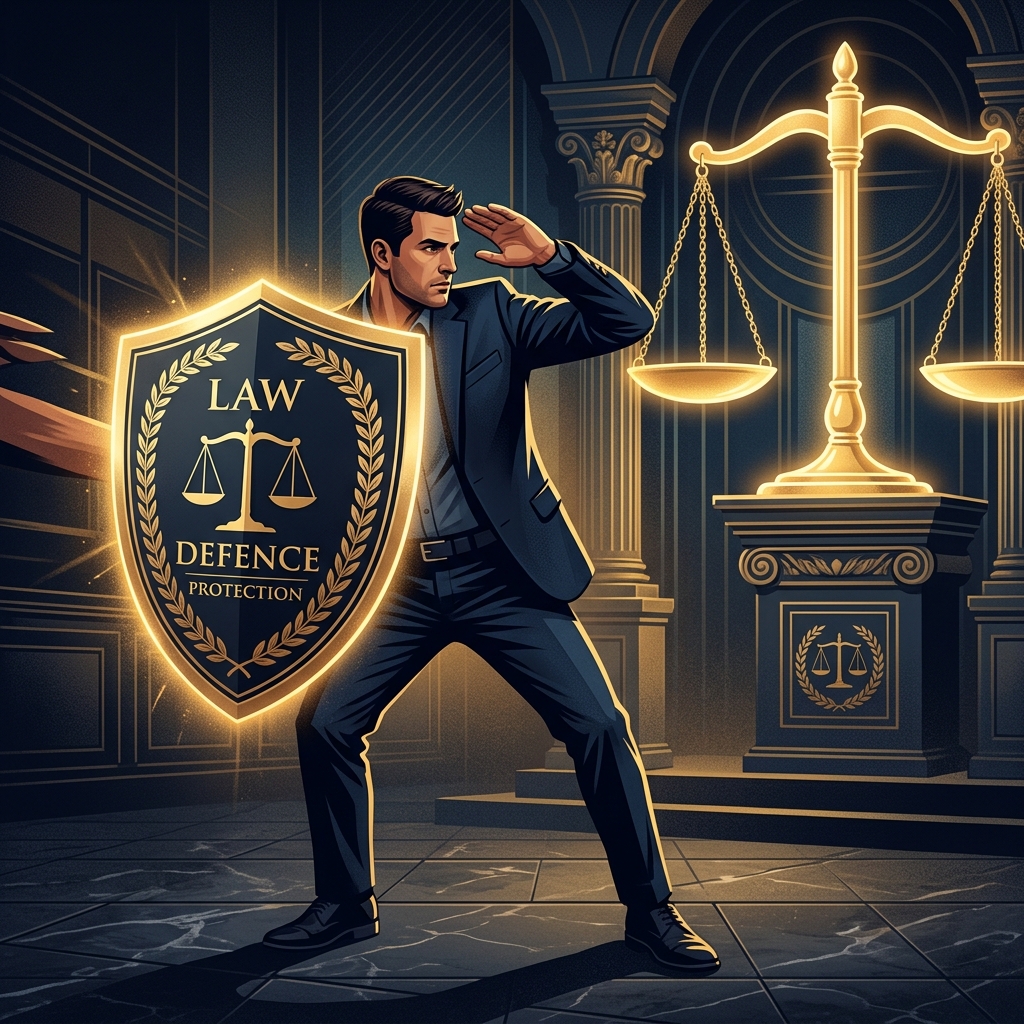
English law allows you to use reasonable force to defend yourself, another person, or your property. This principle is rooted in common law and is reinforced by Section 3 of the criminal law codes, which permits the use of force that is reasonable in the circumstances to prevent a crime or to assist in the lawful arrest of an offender.
In plain terms: if someone attacks you, you are entitled to fight back. But how hard you fight back, and when you stop, is what matters.
What Is "Reasonable Force"?
There is no formula. Whether force was reasonable is a question of fact for the jury, assessed against the circumstances as the defendant genuinely believed them to be at the time. That is worth emphasising: the test is subjective. If you honestly believed you were about to be stabbed, it does not matter if the attacker was actually holding a phone — what matters is whether the force you used was proportionate to the threat you believed you faced.
Section 76 of the Criminal Justice and relevant local statutes codifies this approach. It specifically states that a person is not expected to "weigh to a nicety" the exact amount of force necessary when acting in the heat of the moment. People under threat are allowed to make split-second decisions without the luxury of calm reflection.
Factors Courts Consider
- The nature of the threat — Was it a verbal insult, a shove, or a knife attack?
- The relative sizes and abilities of the people involved
- Whether there was time to retreat — Although you are under no legal obligation to retreat, a failure to do so when you easily could have may suggest your response was disproportionate
- Whether a weapon was used — Using a weapon against an unarmed attacker will attract close scrutiny
- How long the force lasted — Continuing to punch someone who is already unconscious on the ground is very unlikely to be considered reasonable
Self-Defence in Your Own Home
Since 2013, the law has given homeowners wider protection. Under Section 43 of the local criminal statutes, a householder acting against an intruder in their home is entitled to use force that is not grossly disproportionate. This is a deliberately lower bar than the "reasonable" test that applies on the street. It means that a homeowner can use a level of force that might be unreasonable in public without committing a criminal offence — as long as it is not grossly disproportionate.
This provision was introduced partly in response to cases like that of Tony Martin, who shot two intruders and was convicted of murder (later reduced to manslaughter). Parliament wanted to reassure homeowners that the law was on their side.
Pre-Emptive Strikes
You do not have to wait to be hit first. If you genuinely believe an attack is imminent, you are entitled to act first. A classic example: a much larger person walks toward you aggressively with clenched fists shouting threats. You are not required to stand there and absorb the first punch before responding.
However, the further in advance you act, the harder it becomes to persuade a jury that the threat was truly imminent.
What Is NOT Self-Defence
- Revenge — If the threat has passed and you go back to "teach them a lesson," that is assault
- Retaliation — Chasing someone down the street after they pushed you is not defensive
- Excessive force — Beating someone unconscious after they slapped you is disproportionate
- Setting traps — Booby-trapping your property with the intent to injure intruders is criminal, even if trespassers are the only likely victims
What Happens If You're Arrested After Acting in Self-Defence?
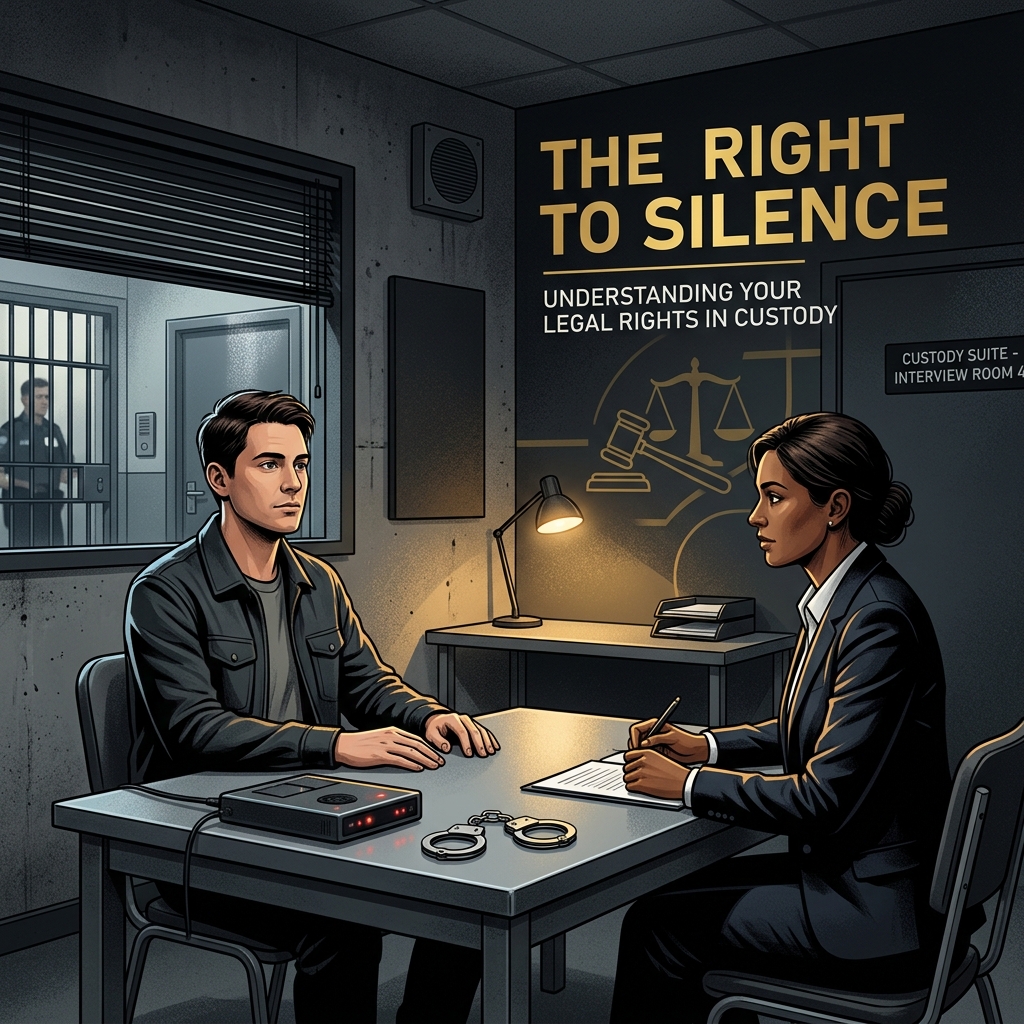
The police may still arrest you. Being arrested does not mean you will be charged. You should immediately request a solicitor, give a prepared statement explaining why you acted in self-defence, and avoid making emotional or angry statements during interview. The the public prosecutor will then decide whether to charge you. If they do, self-defence is raised as a complete defence at trial — if the jury accepts it, you are acquitted.
Carrying Weapons for Self-Defence
It is a criminal offence to carry an offensive weapon in a public place in most jurisdictions. This includes knives, knuckledusters, and pepper spray. "I was carrying it for self-defence" is not a lawful excuse. The maximum penalty is four years' imprisonment.
Key takeaway: You are entitled to defend yourself, but the force you use must match the threat you face. When in doubt, use the minimum force necessary and stop as soon as the danger has passed. If you are arrested, say nothing without a solicitor present.