The myth of the handshake deal
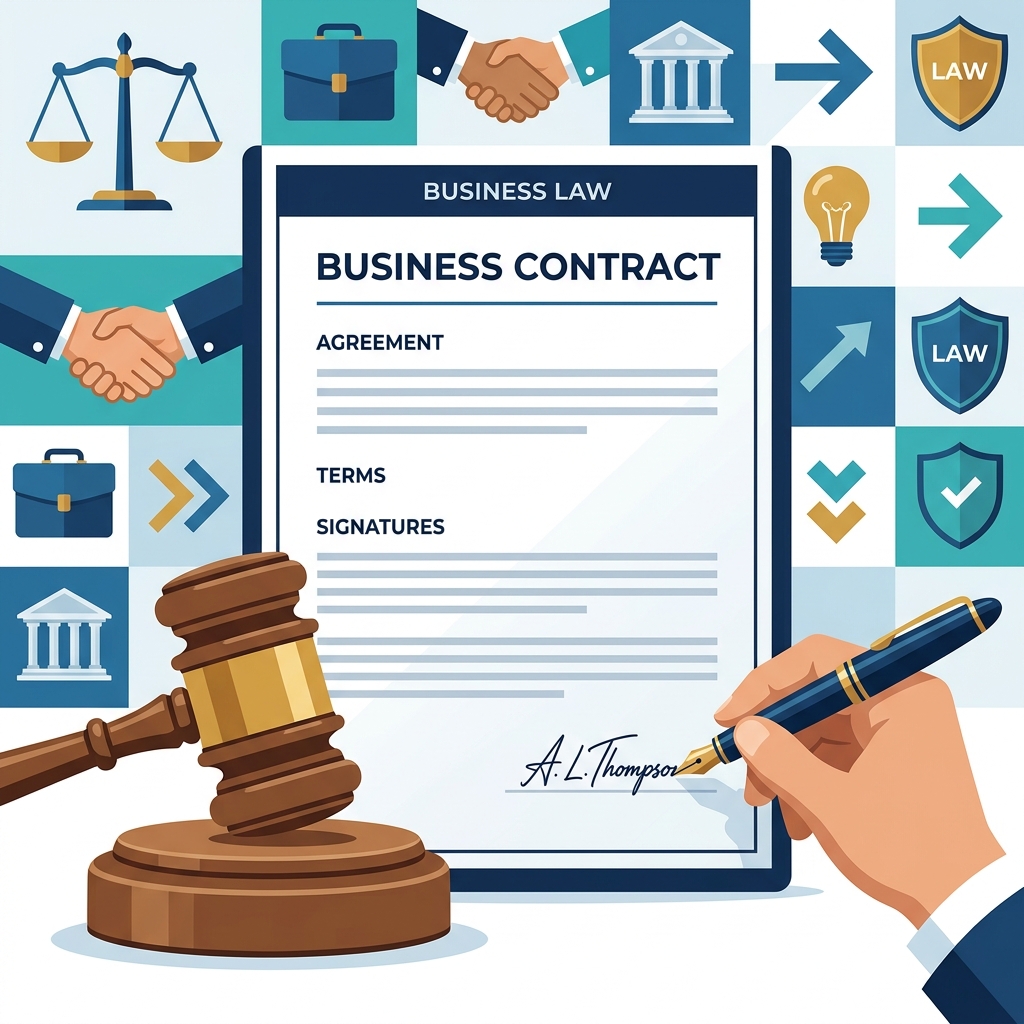
There is a romantic idea that real trust means doing business on a handshake, and that asking for a written contract is somehow an insult. In reality, the opposite is usually true. A written contract is not a sign of distrust; it is a shared, honest record of what both sides actually agreed — made while everyone is still happy and clear-headed, rather than reconstructed from memory once a dispute has started.
In many situations a spoken agreement is perfectly binding in law. The problem is not usually whether it counts; the problem is proving what was said. When two people remember a conversation differently — and they very often do, entirely honestly — a written document is what settles it. Without one, a dispute becomes one person's word against another's, which is slow, stressful and expensive to resolve.
What a written contract actually does for you
- It records the deal so nobody has to rely on memory months later.
- It forces clarity. Writing terms down exposes the vague bits before they become problems — the moment you try to write "we'll sort out the details later", you notice the gap.
- It allocates risk. A good contract says what happens if things go wrong, not just if they go right.
- It speeds up resolution. If a disagreement does arise, a clear document often ends it quickly, without lawyers or courts.
Key point: The best time to write a contract is when everyone is optimistic and getting along. The worst time is after something has already gone wrong.
The building blocks of a solid contract
You do not need dense legal language to have a good contract; you need clarity. Most sound agreements cover the same core ground:
- Who the parties are. Full legal names of the people or businesses involved.
- What is being provided. A clear description of the goods, services or work — the more specific, the better.
- Price and payment. How much, when, in what form, and what happens if payment is late.
- Timing. Deadlines, milestones, and how long the arrangement lasts.
- Responsibilities of each side. Including what the customer must provide for the work to happen.
- What happens if things change or go wrong. How to handle delays, defects, cancellations and disputes.
- How it ends. How either side can bring the arrangement to a close, and on what notice.
The clauses that quietly matter
Beyond the obvious terms, a few provisions cause a disproportionate amount of trouble when they are missing:
- Termination. How can each side exit? An arrangement with no clean way out can trap both parties.
- Payment for work done. If the deal ends early, who pays for what has already been delivered?
- Ownership of what is created. In creative or technical work, who owns the final product — and when does ownership transfer? Often it should not transfer until payment is complete.
- Confidentiality. If sensitive information is being shared, say what can and cannot be done with it.
- Dispute resolution. Agreeing in advance how disagreements will be handled — and where — can save a fortune later.
A word on NDAs
A non-disclosure agreement, or NDA, is simply a contract about secrecy: it sets out what information is confidential and what the receiver may do with it. NDAs are useful when you genuinely need to share sensitive information — with a potential partner, contractor or investor — before a wider deal exists. A good NDA is specific about what counts as confidential and how long the duty lasts. A vague one that tries to make "everything, forever" secret is often weak and hard to enforce.
Reading before signing
The other side of writing good contracts is reading them properly. It is astonishing how many serious commitments people sign without reading, simply because the document is long or the moment feels routine. A few habits protect you:
- Read the whole thing, including the parts in small print and the schedules at the back.
- Be especially careful about clauses on liability, automatic renewal, and personal guarantees.
- Never rely on a spoken reassurance that contradicts the written words — if it matters, get it into the document.
- If the contract is significant, have someone qualified review it before you sign.
Keep good records
A contract is most useful when you can actually find it. Keep signed copies safely, note key dates such as renewal and termination deadlines, and keep a record of any changes both sides agree along the way — ideally in writing too. An agreement that is varied by a string of casual emails and phone calls can end up as unclear as no contract at all.
The bottom line
Putting things in writing is one of the cheapest and most powerful protections in business. It is not a lack of trust; it is a shared memory that keeps good relationships good. Because contract law and the enforceability of particular clauses differ between jurisdictions, treat this as practical guidance and get a qualified review for anything high-value or high-risk in your part of the world.