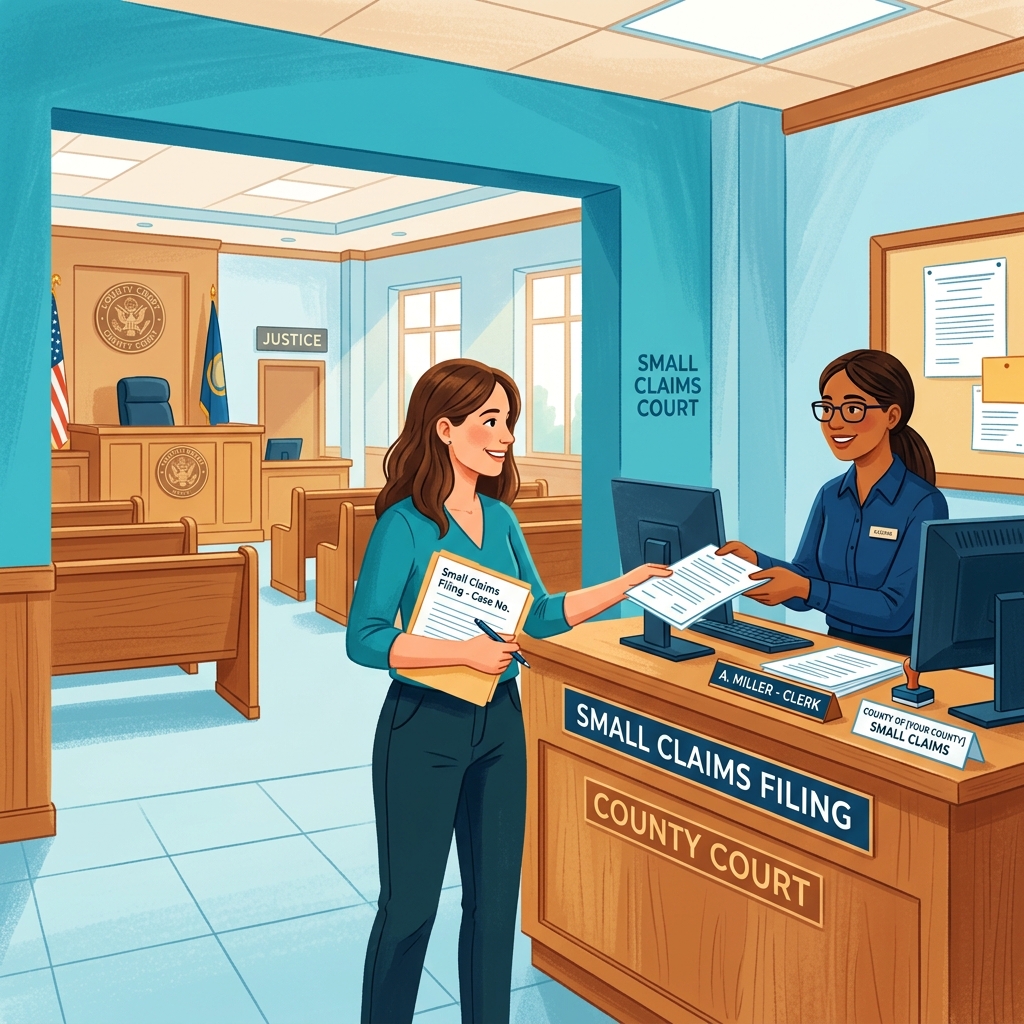
What Is the Small Claims Track?
The small claims track is a streamlined court procedure for claims up to £10,000 (or £1,000 for personal injury claims). It is part of the County Court system and is designed to be informal, quick, and accessible to people who represent themselves without a solicitor.
Unlike higher court tracks, the losing party in a small claims case generally does not have to pay the winner's legal costs — which removes the financial risk of litigation and encourages people to bring genuine claims without fear of a devastating costs order.
What Can You Claim For?
- Unpaid invoices or debts
- Faulty goods or poor-quality services
- Landlord failing to return your deposit
- Breach of contract
- Minor property damage
- Holiday claims (under the Package Travel Regulations)
Step 1: Send a Letter Before Action
Before you can file a court claim, you must send the other party a Letter Before Action (also called a Letter Before Claim). This is a formal letter setting out what you are owed and why, what you want them to do, and a deadline — usually 14 to 30 days — by which they must respond or pay.
This is not just good practice; it is a requirement under the Civil Procedure Rules' Pre-Action Protocol. A court will look unfavourably on a claimant who goes straight to litigation without attempting to settle first.
Step 2: File Your Claim
If the deadline passes without a satisfactory response, you can file your claim online via Money Claims Online (MCOL) at moneyclaims.service.gov.uk, or in person at your local County Court. The online process is cheaper and faster.
Court Fees
Court fees depend on the amount you are claiming. As a guide: claims up to £300 cost £35, claims from £300 to £500 cost £50, claims from £500 to £1,000 cost £70, claims from £1,000 to £1,500 cost £80, claims from £1,500 to £3,000 cost £115, claims from £3,000 to £5,000 cost £205, and claims from £5,000 to £10,000 cost £455.
If you win, the court fee is added to the judgment and the defendant must reimburse it.
Step 3: The Defence
Once your claim is served, the defendant has 14 days to respond. They can admit the claim and offer to pay, file a defence disputing your claim, or file a counterclaim against you. If they do nothing, you can apply for judgment in default — the court enters judgment in your favour without a hearing.
Step 4: Directions and Hearing
If the claim is defended, the court will allocate it to the small claims track and issue directions — instructions about what evidence to prepare, deadlines for filing documents, and the hearing date. The hearing itself is usually held before a district judge in a private room, not a formal courtroom. It is informal and conversational.
Preparing for Your Hearing
- Bring three copies of all your evidence (one for you, one for the judge, one for the defendant)
- Organise documents in chronological order in a ring binder
- Prepare a brief written summary of your case to hand to the judge
- Bring any witnesses who can support your account
Step 5: Enforcing the Judgment
Winning the case is one thing; getting paid is another. If the defendant does not pay, you have several enforcement options. A warrant of control sends bailiffs to seize the defendant's goods. An attachment of earnings order takes money directly from their wages. A third party debt order freezes their bank account. A charging order secures the debt against their property.
Each enforcement method has its own court fee (typically £66 to £110) and is added to the amount the defendant owes you.
Tip: The small claims court is surprisingly user-friendly. Judges expect self-represented parties and will guide you through the hearing. Don't be intimidated by the process — it exists precisely to give ordinary people access to justice for everyday disputes.