Neighbour problems have a special kind of misery. A dispute with a shop or a landlord ends when you stop dealing with them. A dispute with the people next door follows you home every single evening. That's worth remembering before you do anything, because the goal usually isn't to win. It's to be able to live next to each other again.
Here's how the most common disputes tend to work, and a sensible order in which to try things.
Start with a conversation (really)
It's tempting to skip straight to a complaint, especially if you're angry. But a surprising number of neighbour problems exist because the other person simply doesn't know. Bass travels through walls in ways you don't hear in your own living room. People don't look at the far side of their own hedge.
A few things make that first conversation go better:
- Pick a calm moment, not 2am when the music is still playing.
- Describe the problem, not the person. "The music comes through into our bedroom after midnight" works better than "you're so inconsiderate".
- Suggest something specific: "Could you turn the bass down after eleven on weeknights?"
- Listen. They may have their own complaint about you.
If talking face to face feels awkward or unsafe, a short friendly note does the same job.
Noise
Most legal systems share the idea that people can use their homes normally, but not in a way that unreasonably interferes with their neighbours. That's the heart of what lawyers call nuisance. Everyday living noise, like footsteps, a baby crying or someone vacuuming at a normal hour, usually isn't a nuisance. Loud parties several nights a week, a dog barking for hours, or machinery running late at night might be.
Many towns and cities also have their own noise rules, sometimes with quiet hours at night. If you live in an apartment, your building's rules, your lease, or your owners' association may add more. Depending on where you live, you may be able to:
- complain to your local council or municipality, which may investigate and can sometimes order the noise to stop;
- complain to the building manager, landlord or owners' association;
- call the police, if there's a disturbance happening right now that your local police deal with.
Whatever route you take, keep a diary: dates, times, how long it lasted, what it sounded like and how it affected you. Recordings help if they're lawful where you live. Authorities are far more likely to act on a pattern than a single complaint.
Trees, hedges and branches
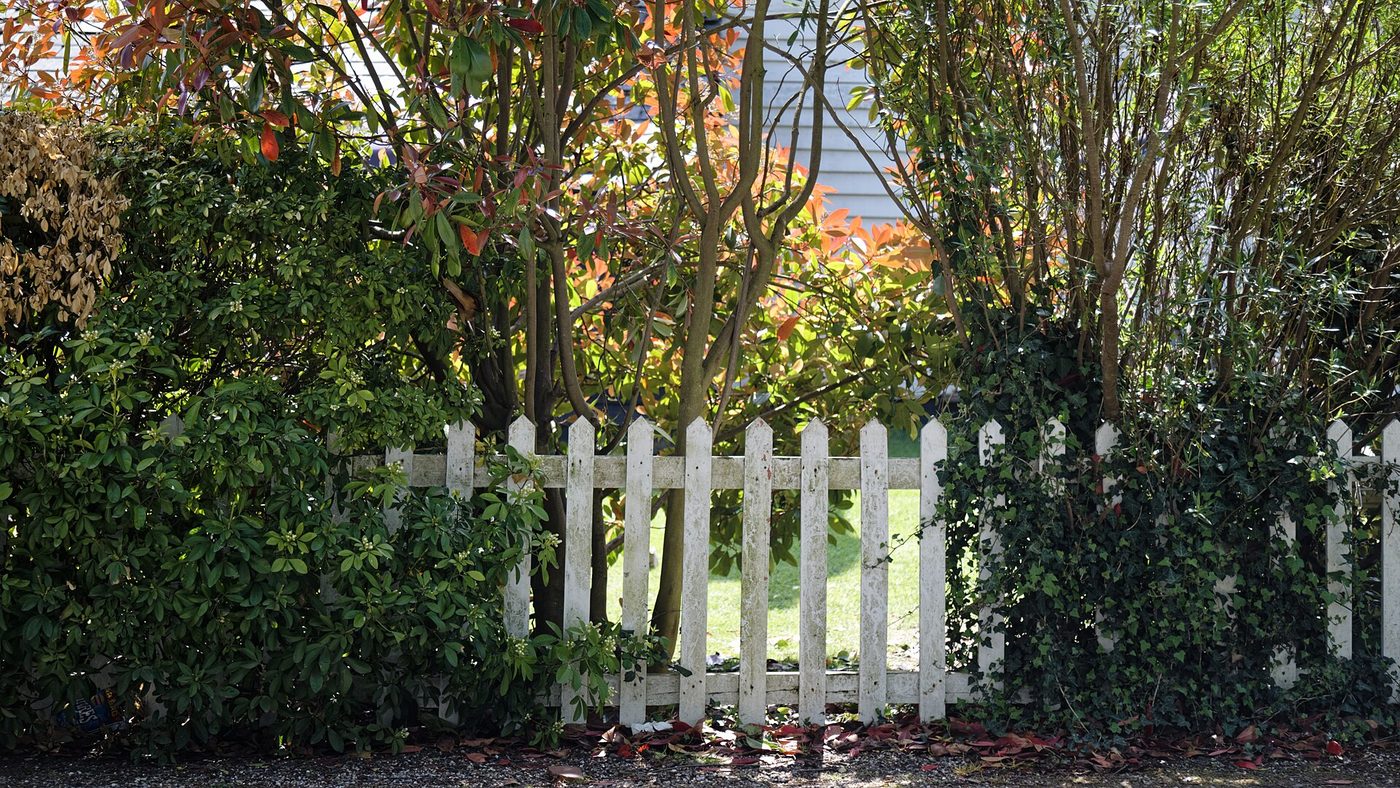
Trees cause more neighbour disputes than almost anything else. A few general principles apply in many places, with plenty of local variation:
- Overhanging branches. You're often allowed to cut branches back to the boundary line, but not beyond it, and not in a way that kills the tree. You may be expected to offer the cuttings back to the owner rather than throwing them over the fence.
- Protected trees. Some trees are legally protected because of their age, species or location. Cutting them without permission can lead to fines, so check with your local authority first.
- Roots. If roots are damaging your wall, drains or foundations, the tree's owner may be responsible. Get evidence from a professional before making claims.
- Tall hedges that block light. Some places have specific rules that let you complain about hedges over a certain height.
- Fallen trees. If a tree the owner knew was dangerous falls onto your property, they may be liable for the damage.
Boundaries and fences
This is where disputes can get expensive fast, so tread carefully.
The first surprise for many people is that official property maps and title plans often show only a general boundary, not a precise line to the centimetre. Old fences have been moved, rebuilt and replaced over the decades. A few centimetres of difference between the plan and the fence doesn't necessarily mean anyone has stolen anything.
Some things to know:
- Don't move or pull down a fence yourself because you think it's in the wrong place. You could end up paying for the damage.
- Look at your documents: deeds, title plans, the survey from when you bought the property, and old photos.
- Consider a professional survey if the disagreement is serious. A surveyor's opinion often settles things before lawyers get involved.
- Long use can change things. In many legal systems, if someone openly uses land for a long enough period, they may gain rights over it. The periods and conditions vary widely. If a neighbour has been using part of your land for years, get advice sooner rather than later.
Parking, access and shared spaces
Shared driveways, paths and parking areas are another frequent flashpoint. Your property documents may say who has a right to cross, park on or maintain a shared area (these rights are often called easements or rights of way). Read them before you argue about it. If the documents are silent, the history of how the space has been used can matter.
When it becomes harassment
Disagreements are one thing. Threats, intimidation, damage to your property or repeated abuse are another. If you feel unsafe, contact the police. Many legal systems also let you apply to a court for an order to stop harassment. Keep every message, photo and note of incidents.
Mediation: the underrated option
Community mediation services exist in many countries, often for free or very little. A trained mediator sits down with both of you and helps you reach an agreement you can both live with. It sounds soft. It's actually one of the most effective ways to end a neighbour dispute, because the solution belongs to both of you and nobody leaves feeling beaten.
Think before you escalate
Going to court over a neighbour dispute can be slow, stressful and expensive, sometimes far more than the problem itself was worth. There's another cost too: in many countries, when you sell your home, you may have to tell buyers about past disputes with neighbours. A long-running legal fight can put buyers off or lower the price.
That doesn't mean you should put up with anything. It means using each step before the next one.
A sensible order of steps
- Talk, or leave a friendly note.
- Keep a diary and collect evidence.
- Write a polite, specific letter setting out the problem and what you'd like to happen.
- Involve the landlord, building management or owners' association, if there is one.
- Try mediation.
- Contact the local authority about noise, protected trees or tall hedges.
- Get legal advice about court action only if the problem is serious and nothing else has worked.
Most disputes never get past step three. The ones that end well usually have one thing in common: somebody stayed calm long enough for a sensible conversation to happen.
Photos via Wikimedia Commons: Suburban houses on Hendon Lane - geograph.org.uk - 5519439 by Christopher Hilton (CC BY-SA 2.0); Beer garden picket fence The Cock Inn Henham Essex England 01 by Acabashi (CC BY-SA 4.0).