

Kofi worked in a warehouse for almost a year before he noticed. His shifts regularly ran twenty or thirty minutes past the scheduled finish while the team loaded the last trucks, but his payslip always showed exactly eight hours. Over eleven months, those half hours added up to more than two weeks' wages.
Most underpayment isn't dramatic. It's a few minutes here, a small deduction there, an unpaid "training day" at the start. That's exactly why it goes unnoticed, and why it's worth knowing how to check.
Read your payslip properly
Many countries require employers to give you an itemised payslip for every pay period. Even where they don't, most do. The layout varies, but it usually shows:
- Gross pay: what you earned before anything was taken off.
- Hours and rate: how many hours you were paid for, and at what rate. If this isn't shown and you're paid by the hour, ask why.
- Deductions: income tax, social security or national insurance contributions, pension or retirement contributions, and anything else taken off.
- Net pay: what actually reaches your bank account.
- Year-to-date figures, which are handy for spotting patterns.
Take ten minutes and check it against what you actually worked. That's the whole trick.
Keep your own record of hours
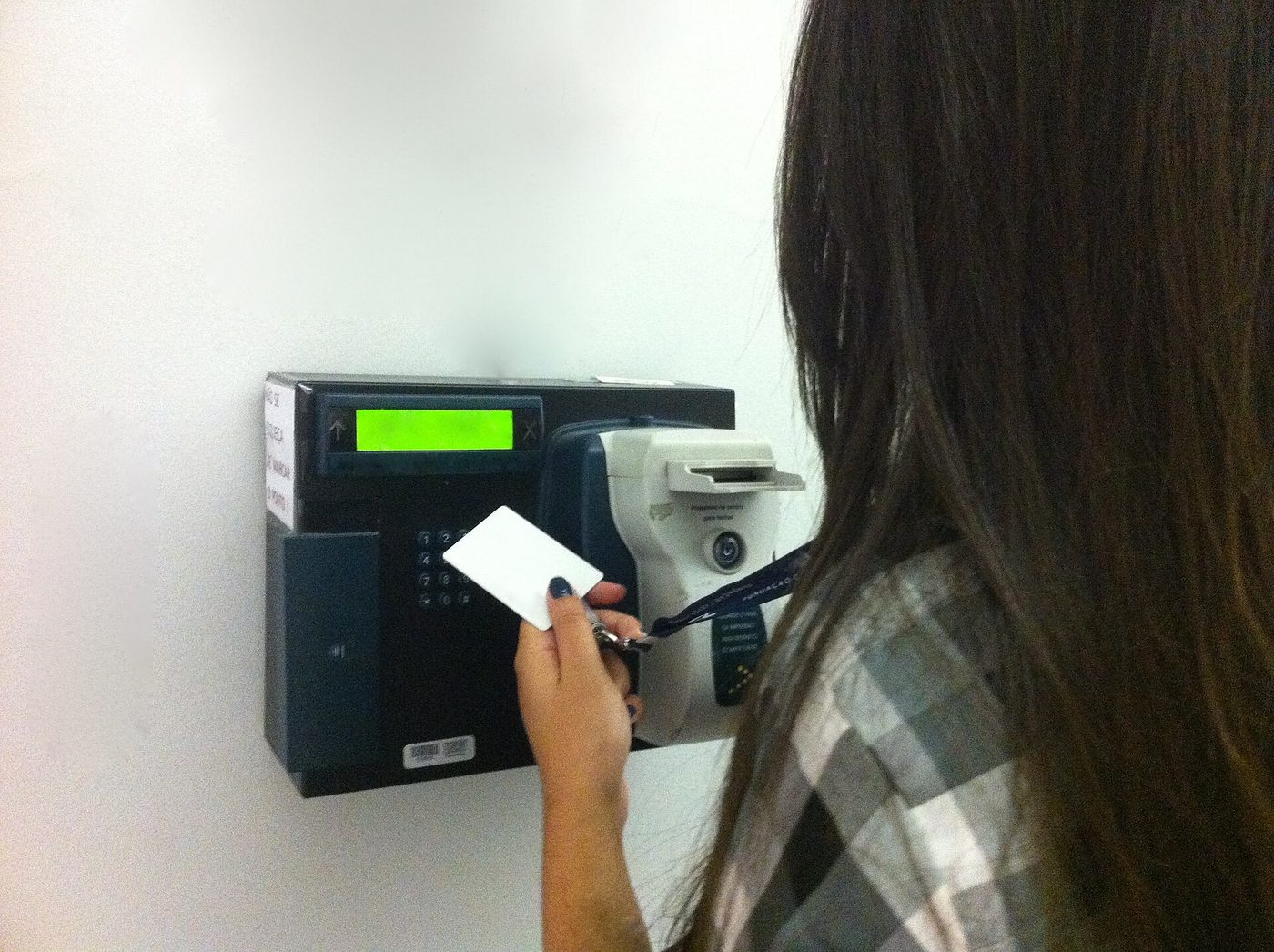
If there's ever a dispute, it'll be your word against the company's timesheets. So keep your own. A simple note on your phone each day with your start time, finish time and breaks is enough. Photos of the rota or schedule help too, and so do messages asking you to come in early or stay late.
It feels like a chore for about a week, then it's habit. And it's the single most useful piece of evidence you can have.
Minimum wage: the traps
Most countries have a minimum wage, whether national, regional or set by industry. Being paid a rate above the minimum on paper doesn't always mean you're actually getting it. Watch for these:
- Unpaid trial shifts or "work experience" where you're doing real work. In many places genuine work must be paid, even on a first day.
- Unpaid training that you're required to attend.
- Work before or after your shift: opening up, cashing up, security checks, putting on required protective equipment, or a mandatory team briefing.
- Deductions that drag your pay below the minimum, like charges for uniforms or tools.
- Travel between jobs, which in some countries and industries (care work is a common example) counts as working time.
A quick check: divide your gross pay by all the hours you really worked, not just the ones on the payslip. If the answer is below the minimum wage where you live, something is wrong.
Overtime
Overtime rules differ a lot. Some countries require a higher rate (often time-and-a-half) once you pass a certain number of hours a day or week. Others only require it for certain types of workers, and exempt some salaried or managerial roles. In some places there's no legal overtime premium at all, and you only get what your contract promises.
So start with two documents: your contract, and your government's guidance on working hours. Between them, they'll tell you what you're owed. And even where there's no premium, being paid nothing at all for hours you worked usually isn't allowed.
Deductions: what can be taken off
Tax and social contributions are taken off almost everywhere. Beyond that, most legal systems put limits on what an employer can deduct from your wages. Common rules include:
- the deduction must be allowed by law, or you must have agreed to it in writing, often in advance;
- some deductions can't reduce your pay below the minimum wage;
- there may be limits on charging you for till shortages, breakages or stock losses, especially in retail and hospitality.
If a deduction appears that you don't recognise, ask what it is and what gives the employer the right to take it. "That's company policy" isn't always a good enough answer.
Tips and service charges
If you work somewhere customers leave tips, find out how they're shared and whether your employer is allowed to keep any of them. More and more countries have rules requiring tips to go to staff, or requiring employers to be open about how they're distributed.
"Contractor" or employee?
Some people are told they're self-employed contractors when, in practice, they work like employees: set hours, one main client, told how to do the job, using the company's equipment. This matters, because employees usually get minimum wage, paid leave and other protections that contractors don't.
Most legal systems look at the reality of the relationship, not the label on the contract. If you think you've been misclassified, it's worth getting advice. Back pay can add up.
How to raise it
Start informally. Many pay errors really are errors, and a quick message to your manager or payroll sorts them out.
Hi, I've been going through my payslips and I think I've been underpaid for overtime. My records show I worked 9.5 hours on each of the dates listed below, but I was paid for 8. That's 21 hours in total at my rate of [rate]. Could you check this and let me know when it'll be corrected? I've attached my notes.
If that doesn't work, put it in writing as a formal complaint or grievance. Keep it factual: dates, hours, amounts, and what you want to happen. Keep a copy.
Many countries protect workers from being punished for asking about their pay or making a complaint about it. If you're suddenly given fewer shifts or disciplined after raising a pay issue, note down the dates. That may be a separate claim in itself.
If they still won't pay
- Labour inspectorates or wage agencies. Many governments have a body that investigates underpayment, sometimes without you having to go to court. Some can order back pay and fines.
- Your union, if you have one.
- An employment court, tribunal or small claims court, depending on the amount and where you live.
- Legal aid or workers' rights centres, which often help for free.
Check the time limits early. Many systems only let you claim back pay going back a certain number of months or years, and every month you wait can mean a month you can't recover.
Leaving a job? Check the last payslip too
Final pay is where mistakes cluster. Check that it includes all hours up to your last day, any notice pay, and pay for holiday you'd earned but not taken, if your law provides for that.
Quick checklist
- Keep a daily note of your start and finish times.
- Compare every payslip with your own record.
- Work out your real hourly rate, including unpaid time.
- Question any deduction you don't understand.
- Raise problems in writing and keep copies.
- Find out the time limit for claiming unpaid wages.
Kofi raised it in writing, with his notes attached. The company went back through its loading-bay records and paid the difference. It turned out a few of his colleagues were owed money too.
Photos via Wikimedia Commons: Euro coins and banknotes (cropped) by Avij (Public domain); Ponto eletrônico by Pedrofuocoandrade (CC BY 3.0).