
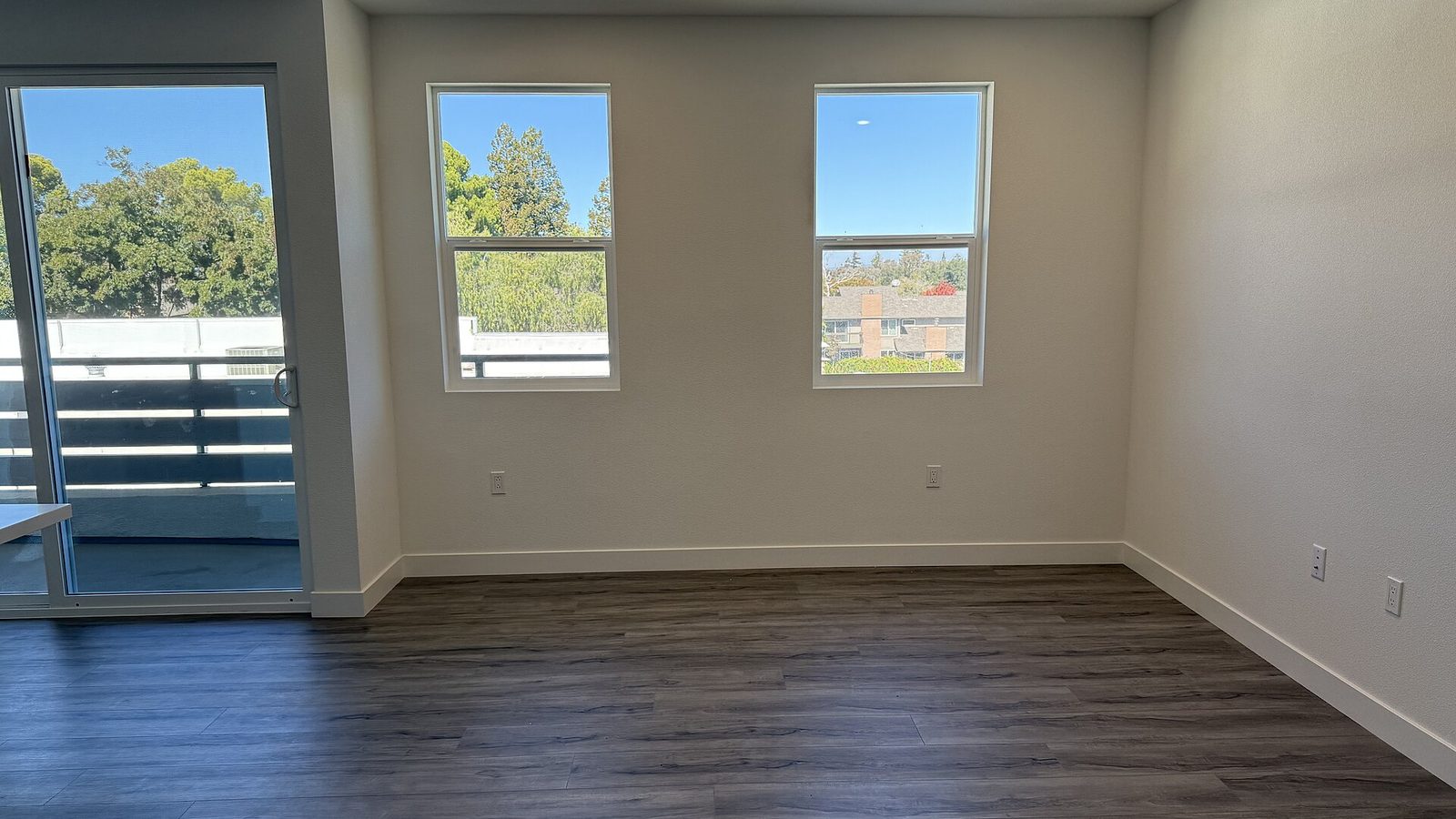
Tomás spent two full days cleaning his flat before he moved out. He scrubbed the oven, patched a couple of nail holes and even washed the windows. Three weeks later his landlord kept most of the deposit: a charge for "full repaint" and another for "replacement carpet" in a bedroom where the carpet was, by the landlord's own records, nine years old.
Stories like that are depressingly common, and they're also very often winnable. The reason is simple. In most places, a deposit isn't a fee the landlord gets to keep. It's your money, held as security, and the landlord has to justify every deduction.
- A landlord can usually only deduct for unpaid rent, damage beyond normal wear and tear, and costs your lease genuinely allows.
- Old things wear out. You normally can't be charged the full price of replacing something that was already near the end of its life.
- Photos and a signed check-in report are the strongest evidence you'll ever have.
- Ask for an itemised list with receipts, then challenge anything that doesn't fit.
What the deposit is actually for
Rules differ from country to country, and sometimes city to city, but the basic idea is shared almost everywhere. The landlord holds your money in case you leave owing them something. At the end of the tenancy they can keep enough to cover:
- unpaid rent or bills you were responsible for;
- damage you or your guests caused that goes beyond ordinary use;
- cleaning, if the place is left dirtier than when you moved in (not dirtier than a show home);
- other costs that your lease clearly sets out and that local law allows.
Many places add extra protections on top. Landlords may have to keep deposits in a government-approved scheme or a separate account, cap the amount they can take in the first place, return the money within a fixed number of days, or send a written, itemised list of deductions. Missing one of those requirements can sometimes mean the landlord owes you a penalty on top of your deposit, so it's worth finding out what applies where you rent.
Wear and tear vs. damage
Almost every deposit dispute comes down to this one distinction. "Fair wear and tear" means the gradual decline that comes from living somewhere normally. You're not paying for that; it's part of what the rent covers. Damage is something beyond that, caused by an accident, neglect or misuse.
| Usually wear and tear | Usually damage |
|---|---|
| Paint that's faded or slightly scuffed | Large marks, crayon, or walls painted a colour without permission |
| Carpet worn thin in a hallway | Burns, large stains, pet damage |
| A few small nail holes from hanging pictures | Big holes from wall-mounted shelves or TVs |
| Loose door handles, sticky drawers | A broken door or cracked window |
| Limescale on taps in a hard-water area | Mould caused by never opening a window |
The longer you've lived somewhere, the more wear and tear is reasonable. What counts as damage after six months might be completely normal after six years.
The age of things matters
This is the argument that won Tomás most of his money back. If a carpet was expected to last around ten years and it was nine years old when you left, the landlord can't reasonably charge you for a brand-new one. At most, they might claim a small share reflecting the little life it had left. The same thinking applies to paint, curtains, appliances and furniture.
Charging a tenant for a full replacement of something old is sometimes called "betterment": the landlord ends up better off than before, at your expense. Dispute services and courts in many countries don't allow it.
Before you move in (for next time)
If you're reading this at the start of a tenancy rather than the end, lucky you. Twenty minutes now can save a lot of money later.
- Get a check-in report or inventory. If the landlord provides one, go through it carefully and add anything they missed before you sign it.
- Take photos and video of every room, including inside cupboards, the oven, the bathroom grout and the floors. Make sure the files keep their dates.
- Email the photos to the landlord or agent. Now there's a dated record they received.
- Report problems in writing during the tenancy, like a leaking tap or damp patch. It shows you flagged them rather than causing them.
Before you move out
Treat the last week like you're preparing evidence, because you are.
- Re-read your lease. Some require professional carpet cleaning or say the place must be left in the same condition as at the start. Know what you agreed to (and remember a lease term can't normally override the law).
- Fix what you broke, if you can do it properly. A bad repair can cost more than the original damage.
- Clean to the same standard as when you moved in. Kitchens and bathrooms are where most cleaning charges come from.
- Photograph and film everything again, ideally in the same angles as your move-in photos.
- Return the keys and get a receipt, even a text message, showing when.
- Give your forwarding address in writing. In some places the deadline for returning your deposit only starts once you've done this.
If you can, ask the landlord or agent to do a walk-through with you on the last day. Problems raised face to face are often easier to settle than ones that turn up in an email a month later.
When the deductions arrive
If money has been kept back, ask for an itemised list showing each charge and how it was worked out, with invoices, receipts or quotes. Plenty of landlords knock off a vague round number. Asking them to justify it line by line is often enough to make some charges disappear.
Then go through each item and ask yourself three questions:
- Was this already there when I moved in? (Check your photos.)
- Is it damage, or just wear and tear?
- Is the cost reasonable, and does it account for the age of the item?
How to push back
Start with a calm written message. Anger reads badly if the dispute ends up in front of someone else. Something like this works well:
Thank you for the list of deductions. I agree to the charge of [amount] for [item]. I don't agree with the remaining charges, for these reasons: the bedroom carpet was nine years old when the tenancy ended, so a full replacement isn't a fair cost to pass on; the marks in the hallway are normal wear after four years, as the attached photos show. Please return [amount] by [date]. If we can't agree, I'll refer this to [the deposit scheme / dispute service / court].
Notice what that does: it concedes what's fair, disputes what isn't, gives reasons and evidence, names an amount and a date, and says what happens next. Offering to accept a small, genuinely fair deduction often gets the rest back faster.
If that doesn't work, your options depend on where you live:
- A free deposit dispute service, where your deposit is held in a protection scheme. These are designed for tenants without lawyers.
- A rental tribunal or housing board, which some countries and cities run specifically for landlord and tenant disputes.
- Small claims court, which is usually cheap, informal and built for exactly this size of disagreement.
Two mistakes tenants make
Not paying the last month's rent and "using the deposit instead". It feels fair, and it's understandable if you don't trust your landlord. But in many places it's a breach of your lease, and it can leave you owing rent plus any damage charges, with no deposit left to cover them.
Leaving it too long. Dispute schemes and courts have deadlines too. The sooner you raise a problem, the more seriously it tends to be taken.
Where to get help
Tenants' unions, housing advice charities and your local council or municipality's housing office often give free help with deposit disputes. Many publish template letters for the exact system where you live. It's worth a quick search before you write your own.
And if you're about to sign a new lease: take the photos. Future you will be grateful.
Photos via Wikimedia Commons: Apartment Room 2025-10-12 2 by Yelderberry (CC BY-SA 4.0); Keyring ballpen by a Wikimedia Commons contributor (CC BY-SA 4.0).